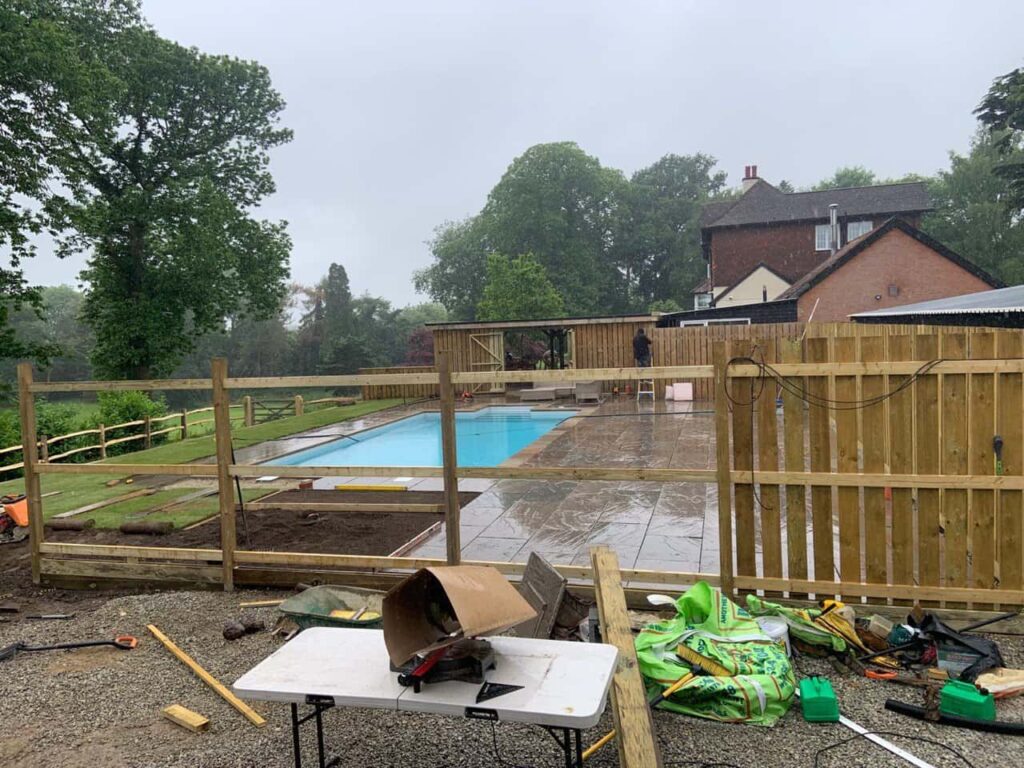
Why Is Professional Advice Useful When Choosing a New Boundary Fence?
A new boundary fence can improve privacy, security and the overall appearance of a property. However, choosing the right fencing involves more than selecting an attractive panel. The fence must also suit the site, provide the required level of screening and withstand regular exposure to the weather.
For homeowners in Sevenoaks, Kent, professional advice can help ensure that every part of the fence works together effectively. From the posts and foundations to the panels and gates, careful planning is essential for a stable and long-lasting installation.
Choosing a Boundary Fence That Suits Your Property
A fencing professional will assess how the boundary is used, the conditions surrounding it and the result you want to achieve. This prevents important practical details from being overlooked during the selection process.
Identifying the Main Purpose of the Fence
Different properties require different fencing solutions. Some homeowners want greater privacy, while others need a secure boundary, improved shelter or a more attractive garden feature.
Establishing the main purpose helps determine the most suitable height, design and construction method. For example, close-boarded fencing can provide substantial screening, while a more open design may allow additional light into the garden. Professional guidance helps balance these requirements without compromising the fence’s performance.
Assessing Ground Conditions
The stability of a fence depends heavily on the ground supporting it. Soft, sloping, uneven or frequently wet ground can affect the depth, position and installation of fence posts.
A professional assessment can identify areas that require extra preparation or a different fixing approach. Addressing these conditions before installation helps prevent posts from leaning, panels from becoming misaligned and gaps from developing beneath the fence.
Accounting for Wind Exposure
Boundary fences face considerable pressure during strong winds, particularly when solid panels offer little opportunity for air to pass through. The correct post spacing, panel type and foundation depth will depend partly on how exposed the boundary is.
A fencing specialist can recommend a design that provides the desired privacy while remaining suitable for the site. This may involve stronger posts, secure fixings or a construction style that reduces wind resistance.
Selecting Suitable Fence Posts
Posts form the structural foundation of the entire fence. Even high-quality panels can fail prematurely if the posts are too weak, incorrectly spaced or inadequately secured.
Professional advice helps homeowners choose posts that are compatible with the fence design and local ground conditions. Correctly installed posts keep each section upright and provide the strength needed to resist movement over time.
Choosing Panels That Meet Practical Needs
Fence panels vary in strength, privacy, appearance and maintenance requirements. The best option should complement the property while also being suitable for the way the garden is used.
Households with children or pets may prioritise a secure, enclosed boundary. Other homeowners may prefer decorative panels that divide spaces without making the garden feel restricted. A professional can explain how different styles are likely to perform, helping you make an informed choice.
Protecting the Bottom of the Fence
The lower edge of a timber fence is vulnerable to prolonged contact with damp soil, vegetation and surface water. Gravel boards can help separate the panels from the ground, reducing direct exposure to moisture and everyday garden activity.
Proper ground clearance also makes maintenance easier and can help the fence retain its appearance. A professional installer will consider the finished ground level and drainage around the boundary before positioning the panels.
Planning Gates and Access Points
A gate should not be treated as an afterthought. Its position, width, opening direction and supporting posts all influence how convenient and secure it will be.
Professional planning helps ensure that gates align correctly with the surrounding fence and open without catching on sloping or uneven ground. Strong hinges, appropriate fittings and adequately supported posts also reduce the risk of sagging.
Balancing Privacy with Natural Light
A tall, solid fence can improve privacy, but it may also affect the amount of natural light reaching a garden. This is especially important near patios, planting areas and frequently used outdoor spaces.
A professional can help identify where full screening is beneficial and where a lighter or partially open design may work better. This creates a boundary that feels private without making the garden unnecessarily enclosed.
Considering Long-Term Maintenance
Every fence will benefit from occasional care, but some designs and materials require more attention than others. The accessibility of the boundary, surrounding plants and exposure to damp conditions can all affect future maintenance.
Choosing a fence with these factors in mind can make routine upkeep more manageable. Professional advice can also help prevent design choices that create difficult-to-reach sections or allow vegetation to place continual pressure on the panels.
Ensuring Every Component Works Together
A dependable boundary fence is a complete system. Panels, posts, gravel boards, fixings and gates must all be compatible and installed to the correct alignment.
Professional installation brings these components together so that loads are distributed properly and the finished fence remains consistent along the boundary. This attention to detail is particularly valuable where the ground changes level or the fence must follow an irregular garden layout.
Conclusion
Professional advice is useful when choosing a new boundary fence because it connects appearance with practical performance. Ground conditions, wind exposure, privacy, access, post strength and drainage all influence which fencing solution will work best.
Fast Fix Fencing Sevenoaks can assess your boundary and recommend a suitable design for your property in Sevenoaks, Kent. If you are considering a new fence, contact our team to arrange a professional assessment and discuss your requirements.
Call us on: 01732 440 994
Click here to find out more about Fast Fix Fencing Sevenoaks
Click here to complete our contact form and see how we can help with your fencing needs.